 Fieldwork
Appliance repair shops lose jobs to whoever calls back first.
We implement and optimize Housecall Pro for appliance repair operators — with speed-to-lead automations, dispatch discipline, and follow-up workflows so your office stops dropping balls and your techs stay booked.
Founded by a software entrepreneur with decades of experience building products, systems, and operational workflows.
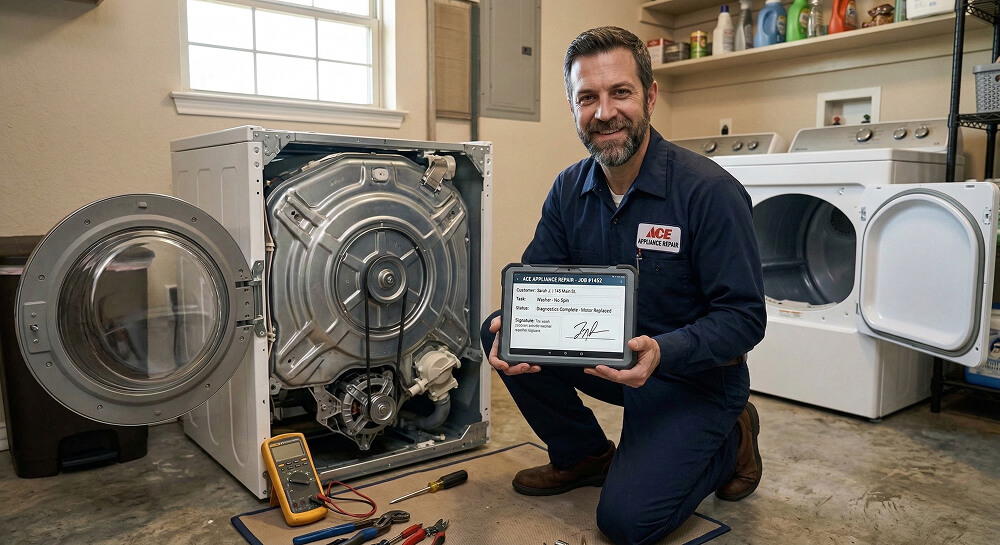
What's costing your appliance repair business money right now
- Inbound calls go to voicemail and customers book someone else before you call back
- Open estimates sit with no follow-up until the job goes cold
- Cancellations and no-shows leave techs sitting idle with no protocol to fill the slot
- Invoices go out late or get forgotten after the tech leaves the job
- Property managers and repeat customers fall off because there's no reactivation system
- You can't tell at a glance which tech is busiest, what your average ticket is, or where jobs are leaking
You're not losing jobs because of your work. You're losing them because the gap between the phone call and the confirmed appointment isn't locked down.
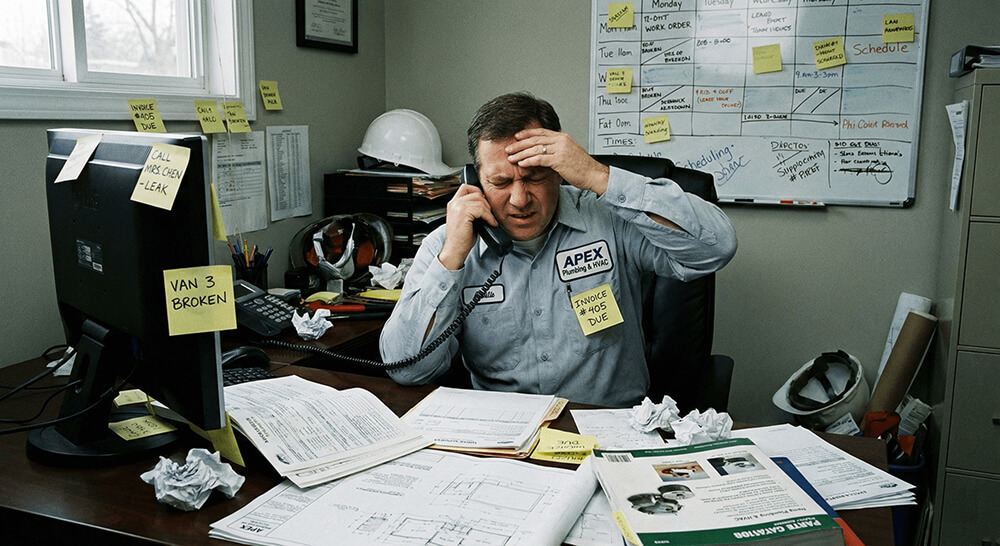
BEFORE FIELDWORK / AFTER FIELDWORK
The opportunity is already in the business. The bottlenecks are what keep it from showing up.
Most Home Service Businesses Have The Same Problems
These issues quietly cost revenue, create administrative overhead, and make it harder to grow.
Missed Leads
Calls and inquiries that never receive proper follow-up.
Manual Data Entry
Staff repeatedly entering the same information into multiple systems.
Administrative Bottlenecks
Office teams spending valuable time on repetitive tasks.
Disconnected Software
Critical information spread across multiple tools.
Lack Of Visibility
No clear view into performance, bottlenecks, or opportunities.
Slow Customer Response
Delays that reduce close rates and customer satisfaction.
Fieldwork identifies the highest-impact operational bottlenecks and fixes them using better systems, automation, and AI.
How It Works
Simple process, serious results.
Operations Review
We map your current workflow and identify the bottlenecks costing time, revenue, and visibility.
Opportunity Assessment
We prioritize the highest-impact improvements across systems, automation, AI, and team process.
Implementation
We configure workflows, deploy automations, connect tools, and build the practical operating layer.
Training & Optimization
We train the team, document the process, and tune the system so improvements stick.
What we build for appliance repair shops
We build a Quote-to-Cash operating system on top of Housecall Pro — tuned for the fast-turn, high-volume dispatch workflow that appliance repair runs on.
Speed-to-lead
Missed-call text back, form-to-SMS, after-hours rules. Appliance repair is an urgency-driven call — your leads need a response in minutes, not hours, or they've already booked the next guy on Google.
Lead pipeline that enforces follow-up
Stages, required fields, and automatic alerts. Every open estimate has a follow-up step. No more jobs going cold because nobody remembered to call the customer back.
Scheduling + confirmations
Automated text and email reminders for every appointment. Fewer no-shows, fewer last-minute cancels, and a clear protocol to fill open slots when they happen.
Estimates, invoices, payments
Templates built for appliance repair job types and ticket sizes. Fewer steps between job done and payment collected — whether it's a diagnostic, a repair, or a parts-and-labor job.
Owner dashboard
Booking rate, average ticket, no-show rate, revenue by job type. The numbers that tell you how your appliance repair business is actually running. No spreadsheet required.
Review requests + reactivation
Automated review asks after every job. Reactivation messages for residential customers and property managers who haven't booked in 6 months. Your past customers and repeat accounts are your cheapest leads.
Built For The Trades
Pricing
Three ways to improve the operating layer behind your home service business.
Operations Review
- Operations audit
- Lead flow review
- Technology review
- Automation assessment
- AI opportunity assessment
- Prioritized recommendations
$995
Book ReviewOperations & AI Accelerator
- Operations optimization
- Workflow implementation
- Automation deployment
- AI implementation
- Team training
- 30 days support
Starting At $7,500
Schedule ConsultationOngoing Optimization
- Monthly reviews
- Process improvements
- Automation maintenance
- AI optimization
- Strategic support
$1,500/month
Learn MoreWhy appliance repair shops need high-volume workflow discipline
Appliance repair tends to be a high-call, fast-turn trade with repeat residential demand and a lot of schedule movement. Small operational leaks show up quickly when volume is high.
Response time sets the booking rate
Customers with a dead refrigerator or broken washer do not wait long. The first callback often wins, so voicemail lag and weak form follow-up directly cut booked work.
Cancellations create idle-tech risk
A loose same-day scheduling process leaves techs with avoidable downtime. Open slots need a clear fill process tied to pending jobs, reschedules, and local demand.
Parts and follow-up can stall the job
Unlike a simple one-visit trade, appliance work often involves diagnostics, parts, and return visits. The office needs clean status tracking so customers do not get lost between steps.
Repeat-account outreach should be systematic
Property managers and repeat homeowners are valuable in this category. If there is no lightweight reactivation system, the business keeps spending to reacquire customers it already knows.
For the Trades
The Service Operator
Our weekly podcast for home service operators.
Practical ops content for shops like yours — speed-to-lead, scheduling, follow-up, and reporting. No pitch, just useful.
Listen free →Want more booked appliance repair jobs without buying more leads?
Let's talk about where your jobs are leaking and how to tighten the system before it costs you another busy season.